Taxi vs OYO Videos Go Viral: Why Driver Secretly Filming Couples Romancing Video?

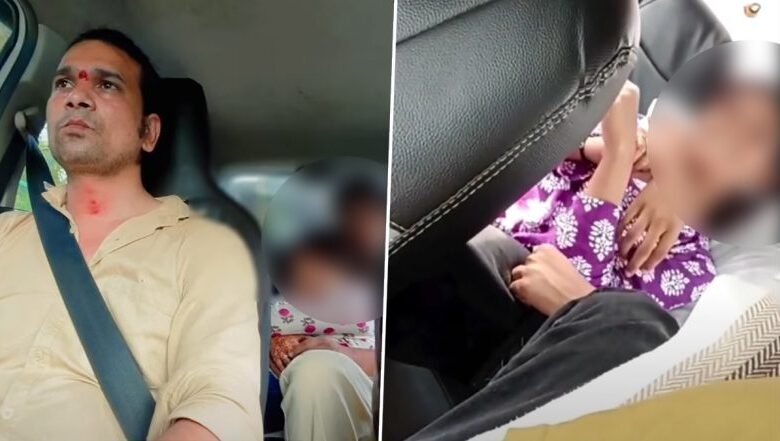
New Delhi: A series of viral videos showing cab drivers filming couples allegedly getting intimate during rides has triggered a heated debate across social media. While some users believe drivers have the right to object to inappropriate behaviour inside their vehicles, others argue that secretly recording passengers and posting the footage online is a serious invasion of privacy.
The latest controversy began after an Instagram reel surfaced showing a cab driver allegedly recording a couple seated in the back of his taxi. In the viral clip, the pair appear to be engaging in intimate behaviour while the vehicle is moving. Although the exact location and date of the incident have not been confirmed, the video quickly spread across social media, attracting thousands of views and comments.
The footage has divided internet users. Many questioned whether the passengers crossed the line by treating a commercial cab like a private space, while others criticised the driver for filming customers without their consent and sharing the video online for public consumption.
Earlier Viral Video: Driver Stops Cab, Says ‘This Is Not OYO’
The latest reel comes just weeks after another viral incident in July 2026, where a different cab driver stopped his vehicle after noticing a couple allegedly becoming intimate during the ride.
In the widely shared video, the driver can be seen confronting the passengers, asking why they did not book a hotel room instead. He reportedly told them that he had been watching their behaviour for some time and questioned whether they felt ashamed.
The couple stopped their actions after the confrontation, but the clip itself sparked another round of debate online.
While several social media users praised the driver for maintaining decorum inside his vehicle, many others argued that recording and publicly uploading the incident violated the passengers’ privacy.
Not the First Time: ‘This Is Not OYO’ Notices Have Gone Viral
The issue is not entirely new.
Back in 2024, a Hyderabad-based cab driver grabbed headlines after placing a notice inside his vehicle that read:
A passenger shared a photograph of the sign on social media, where it quickly went viral. The message was widely discussed, with many appreciating the driver’s humorous way of setting boundaries, while others debated whether such notices were necessary.
Since then, similar messages have occasionally appeared inside taxis and ride-hailing vehicles, reflecting growing frustration among some drivers over passenger behaviour
https://www.instagram.com/reels/DbkqLptEi9s
Privacy vs Public Decency
The recent videos have once again raised an important question: where should the line be drawn?
Cab drivers are responsible for maintaining a safe and respectful environment inside their vehicles. If passengers engage in behaviour that makes the driver uncomfortable or distracts them while driving, they have the right to stop the ride or ask passengers to behave appropriately.
However, legal experts and privacy advocates often caution that recording passengers without their knowledge—especially with the intention of posting the footage on social media—can create separate privacy and ethical concerns. Even if the passengers’ behaviour is considered inappropriate, publicly sharing videos of them without consent may expose them to harassment and online abuse.
Social Media Adds Another Layer
Many users believe the growing trend of filming such incidents is being driven by the race for viral content.
Platforms like Instagram and YouTube frequently reward sensational videos with millions of views, encouraging creators to upload dramatic real-life encounters. Critics argue that this has blurred the line between documenting misconduct and creating content purely for engagement.
Supporters of the drivers, however, maintain that recording such incidents can serve as evidence if disputes arise or if passengers misbehave.
Internet Remains Divided
As the latest reel continues to circulate online, opinions remain sharply divided.
Some users insist that a cab is a workplace for the driver and passengers should respect basic public decency. Others argue that drivers should address such situations directly instead of secretly filming customers and turning private moments into viral content.
For now, the viral videos have reignited a broader conversation about privacy, consent, responsible passenger behaviour and the growing influence of social media in everyday life. Whether these incidents represent necessary intervention or unnecessary moral policing remains a matter of public opinion.