After Umair 7:11 Viral Video: Fatima Jatoi 6 Minutes 39 Seconds MMS Rumors Highlight Growing Threat AI Fake Content

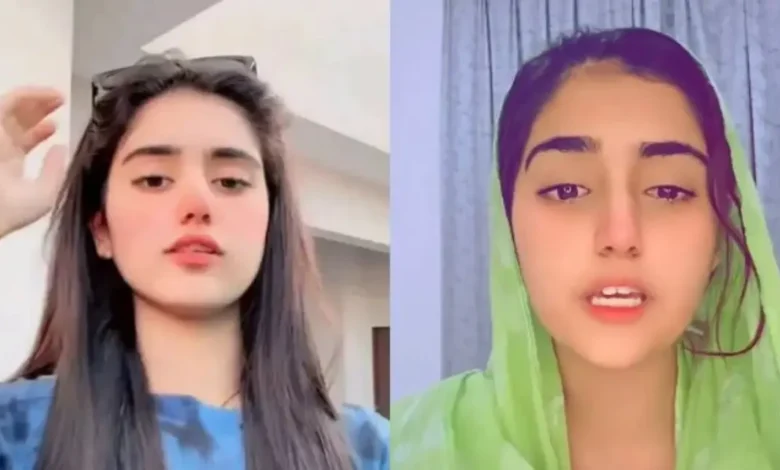
The “Fatima Jatoi 6 Minutes 39 Seconds MMS” trend has been dominating online discussion in Pakistan for the past few weeks. It has ignited intense debates about digital privacy and the dangers associated with unverified content. As social media sites like TikTok (X), Twitter, and Telegram flood with requests for this alleged video, experts in cybersecurity and fact-checking urge caution. They call the trend a mixture of AI-generated fabrications and malicious “engagement traps.”
This controversy revolves around a video that has been widely linked to the popular TikTok celebrity Fatima Jtoi. There is no authentic, original video despite the fast spread of “Fatima Jatoi 6 Minutes 39 Seconds” as a search term. The content that is circulating appears to be AI-generated or completely fabricated. This was done in order to take advantage of the users’ curiosity.
Cyber experts have flagged this trend as an essential security threat. In the hunt for “Fatima Jatoi 6 Minutes 39 Seconds MMS”, malware has flourished. Malicious actors are using the trending keywords to trick users into clicking on suspicious links that promise to access the leaked footage, but compromise data of the user or install malware. The “engagement trap” is a tactic that uses high-volume search trends in order to exploit unsuspecting users.
Also Read: Fatima Jatoi 6 Minutes 39 Seconds Video? Why Searches Spiked After the 7:11 Viral MMS?
Fatima Jatoi’s 6 Minutes, 39 Seconds story has gone viral. This highlights how vulnerable influencers are in an age where deepfake technologies have become prevalent. The viral “6 Minutes 39 Seconds” attributed to Fatima is unverified, and the TikTok creator claims that it was AI-generated. No evidence exists of a complete original video or a genuine leak. Cyber experts say that while thousands of people are searching for the clip in question, the search is a “trap” designed to harvest data and spread malware.
Fatima jatoi after viral video.pic.twitter.com/gw59OoQ71o
— Alyan khan (@alyankhan57230) January 9, 2026
Jatoi’s fans and advocates for digital rights have come out in her support, urging the public not to share unverified material. The incident was not isolated; many public figures were recently targeted with similar attacks using deepfake technologies, in which AI is used for superimposing faces on explicit material. The fabrications are a serious threat to reputations and can cause emotional distress. This highlights the need for more digital literacy as well as stricter regulations on platforms regarding AI-generated content.
Also Read: 7 Minutes 11 Seconds Viral MMS Goes: What Really Happened to ‘Marry’ and ‘Umair’ in Pakistan
Fact-checking sites are working hard to discredit the claims and label the viral snippets of the Fatima Jatoi MMS 6 Minutes 39 seconds. This situation is a reminder to social media users of their ethical obligations. Sharing or searching for non-consensual explicit material–whether real or AI-generated–contributes to the harassment of women online and supports an ecosystem of misinformation.