30 Cigarettes a Day? That’s What Breathing Delhi’s Air Feels Like Right Now

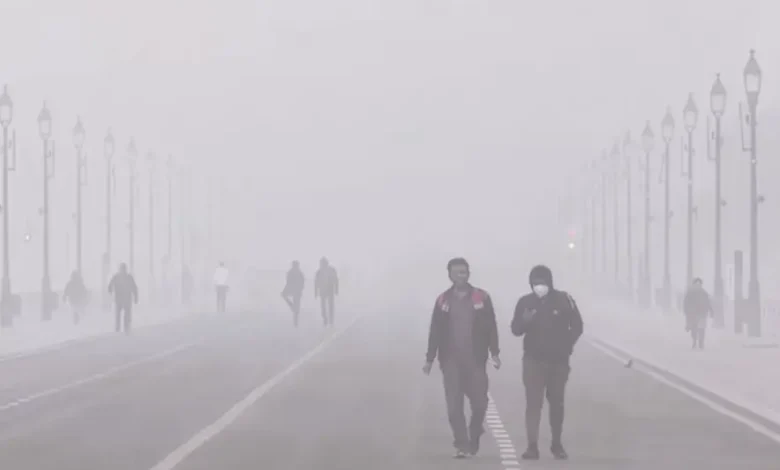
This week, the Delhi Air Pollution has reached alarmingly high levels. It is creating an emergency for public health that affects millions of people. According to new reports, breathing in the toxic air of Delhi is equivalent to smoking 25-30 cigarettes per day. Medical experts urge citizens to reconsider daily activities, especially morning outdoor activity, as the Air Quality Index has fallen into the very poor and severe categories.
Smog has made healthy habits harmful. Morning walks have traditionally been seen as an excellent way to improve health and immunity. However, due to the current air pollution, residents may feel the same even though they’ve never smoked a single cigarette.
The medical profession is raising the alarm about outdoor exercises during high-pollution windows. Dr Neeraj Nishchal from the All India Institute of Medical Sciences’ department of medicine highlighted the dangers of exercise in the presence of smog. Walking and jogging early in the day expose your lungs, according to Dr Nischal.
The mechanics of breathing when exercising are dangerous. “During physical exercise, breathing gets deeper and faster. This pulls the particles into the lungs. “This can cause irritation of the airways and reduce oxygen supply, which in turn will worsen lung and heart health,” Nischal continued. Deep breathing allows the microscopic pollution to bypass the natural body defences and lodge itself deep within the respiratory system.
Also Read: Delhi Pollution: How to Save Yourself From Bad AQI
Fine particulates, specifically PM2.5 & PM10, are the primary cause of this epidemic. The concentration of fine particulates becomes critical when the AQI exceeds 300. These microscopic particles can penetrate the lungs, causing respiratory problems like asthma, bronchitis and heart conditions.
The temperature inversion is a key factor that contributes to the air pollution level of Delhi during early morning hours. The air at the surface of the Earth is usually warmer, and it rises to carry pollutants. In winter, however, the cooler air that settles at ground level traps pollutants, causing a layer of concentrated smog. The pollution level is highest in the early mornings and at night.
Residents should monitor the AQI level closely and move their workouts indoors or to times when smog is less dense.