7 Minutes 11 Seconds Viral MMS Goes: What Really Happened to ‘Marry’ and ‘Umair’ in Pakistan

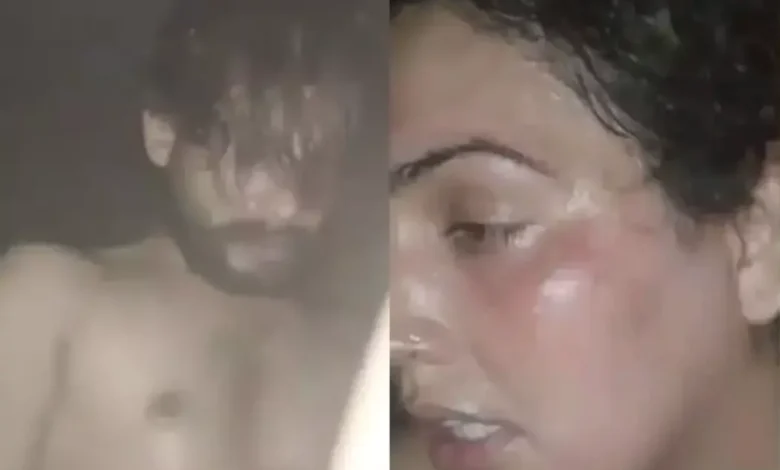
Rumors about a 7 Minutes 11 Seconds Viral MMS involving a couple named “Mary” and “Umair” have not been confirmed. Despite the popularity of platforms such as X, Instagram and Telegram and widespread discussions, fact-checkers found no proof of an official arrest or authentic video.
This controversy revolves around claims that a video clip of exactly seven minutes and eleven seconds led to alleged legal actions against named Pakistani individuals. Investigations into this matter have revealed that no credible legal documents, police reports, or authoritative accounts do not support these claims. This viral trend is driven by social media engagement, speculation and low-quality, fragmented screenshots.
Also Read: Who Is Umair Behind the 7 Minutes 11 Seconds Viral Video? Internet Debates Cyber Safety
Cybersecurity experts say that the exact time (7:11) is likely to be a ruse designed to generate clicks and curiosity rather than a real recorded event. The pattern of this hoax is similar to previous ones, where sensationalized headlines were used to direct traffic to suspect links.
Experts noted that this is a trend of falsehoods online and cyberbait. In this instance, clickbait is used to lure users with sensational names and timelines to links that may contain phishing or malware.
No official sources back these claims. Some internet users may have made unverified assertions linking the video to Pakistan or an individual called ‘Umair.’ In the past, similar viral trends have been a result of fabricated stories or fake content. Audiences are encouraged to be skeptical of any claims made about the 7 Minutes 11 Seconds Viral MMS due to the likelihood that digital manipulation and artificial intelligence were involved.
Also Read: https://www.khabarxp.com/nupur-sanon-sangeet-video-goes-viral-as-kriti-sanon-dances-with-her-mother/
The digital safety experts advise that users refrain from clicking on or searching for links promising to access the video. These are often used as vectors to spread malware or scams. Verifying information via credible news sources is more important than trusting unverified narratives on social media.