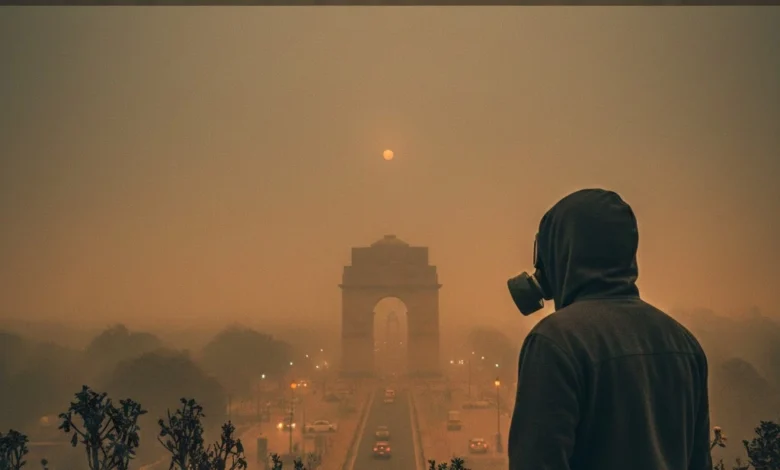
Delhi’s air pollution has turned into a serious public health emergency. Every year, especially during winter, the Air Quality Index (AQI) slips into the poor, very poor, and severe categories. Breathing this air daily can damage the lungs, heart, eyes, and immune system. Knowing how to save yourself from bad AQI in India, particularly in Delhi, is no longer optional—it is necessary for survival.
This guide explains practical ways to protect yourself from air pollution, manage symptoms at home, and reduce exposure both indoors and outdoors.
Why Bad AQI Is Dangerous for Health
Bad air quality contains harmful particles like PM2.5 and PM10 that enter deep into the lungs and bloodstream. Prolonged exposure can cause breathing problems, asthma attacks, heart disease, headaches, and long-term respiratory issues. Children, elderly people, and those with existing health conditions are at higher risk.
Many people underestimate the impact of pollution, but even short-term exposure to severe AQI can trigger symptoms. This is why learning how to save yourself from air pollution must become part of daily life.
How to Save Yourself From Pollution in Delhi
Delhi faces pollution from vehicles, construction dust, industrial emissions, and seasonal stubble burning. While these causes are beyond individual control, personal protection can greatly reduce harm.
Avoid stepping out early in the morning or late at night, as pollution stays trapped close to the ground during these hours. If you exercise, shift workouts indoors on high-AQI days. Wearing a certified N95 or N99 mask outdoors is one of the most effective ways to filter harmful particles.
For Delhi residents, monitoring daily AQI should be as routine as checking the weather.
What to Do When Air Quality Is Bad Outside
When AQI levels rise, reducing exposure becomes the top priority. Stay indoors as much as possible and keep doors and windows closed during peak pollution hours. Outdoor activities like jogging, cycling, or long walks should be avoided completely.
If stepping out is unavoidable, limit your time outside and protect yourself with a proper mask. Schools, offices, and parents should take pollution alerts seriously. Understanding what to do when air quality is bad outside can prevent long-term health damage.
Also See: 30 Cigarettes a Day? That’s What Breathing Delhi’s Air Feels Like Right Now
How to Protect Yourself From Air Pollution While Travelling
Daily commuting exposes people to the worst pollution, especially during traffic congestion. While travelling, keep vehicle windows rolled up and use the internal air circulation mode. Two-wheeler riders should always wear masks and full-face helmets to reduce direct exposure.
Public transport users should stand away from busy roads when waiting and avoid peak traffic hours. These small habits go a long way in helping you protect yourself from air pollution while travelling.
How to Reduce AQI at Home Naturally
Many people assume staying indoors guarantees safety, but indoor air can sometimes be equally polluted. Learning how to reduce AQI at home naturally is essential.
Regular cleaning helps remove dust and pollutants settled on surfaces. Ventilate your home during times when outdoor pollution is lower, usually midday. Indoor plants like snake plant, tulsi, aloe vera, and areca palm can help improve air quality over time.
Avoid burning incense sticks, agarbatti, or scented candles, as they release harmful smoke indoors.
While it’s impossible to eliminate pollution, you can significantly improve indoor air. Air purifiers with HEPA filters are highly effective in trapping fine particles. Ensure that ACs, coolers, and exhaust fans are cleaned regularly.
Cooking smoke should be minimised by using exhaust chimneys. Avoid smoking indoors, as it drastically worsens air quality. These steps help you get rid of bad air quality inside your home to a large extent.
How to Treat Bad Air Quality Symptoms at Home
Bad AQI often leads to symptoms such as burning eyes, sore throat, coughing, headaches, and fatigue. Knowing how to treat bad air quality symptoms at home can provide quick relief.
Drinking warm water helps soothe the throat and flush toxins. Steam inhalation clears nasal passages and improves breathing. Gargling with salt water can reduce throat irritation. Including vitamin C–rich foods like oranges, amla, and lemon boosts immunity.
If symptoms worsen or breathing becomes difficult, medical attention should not be delayed.
How to Save Yourself From Bad AQI: A Practical Essay View
From an essay perspective, how to save yourself from bad AQI revolves around awareness, prevention, and lifestyle discipline. Air pollution cannot be ignored or treated casually. While government policies aim for long-term solutions, individuals must focus on minimising exposure and strengthening their bodies.
Using masks, improving indoor air, making smart travel choices, and recognising early symptoms are the pillars of self-protection in polluted cities.
Conclusion
Delhi’s pollution problem may not disappear overnight, but its impact on your health can be controlled. By understanding how to save yourself from bad AQI in India, adopting protective habits, and improving indoor air quality, you can breathe more safely even in challenging conditions.