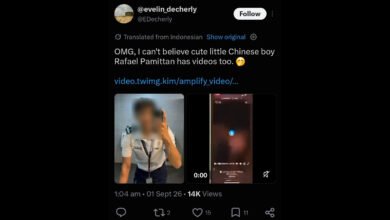
Kasir Indomaret Viral Video: ‘Explicit Clip’ Claims Trigger Searches and Cyber Warnings in Indonesia

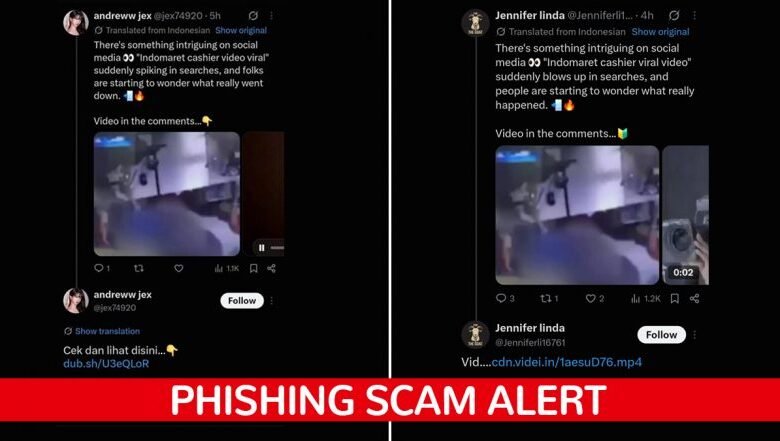
Searches for “kasir Indomaret viral” have attracted attention across Indonesian social media, with posts claiming to offer an alleged explicit video involving a convenience-store cashier. However, users should be cautious: viral claims about the identity and authenticity of such footage are often unverified, while links circulating alongside them can pose significant cybersecurity and privacy risks.
The trend reflects a broader pattern in which sensational “viral video” keywords are used to attract clicks, redirect users to external websites and promote potentially harmful content.
Why Is ‘Kasir Indomaret Viral’ Trending?
The phrase kasir Indomaret—Indonesian for Indomaret cashier—has appeared in social-media searches alongside claims of a leaked or explicit video.
However, simply because a particular keyword is trending does not establish that a genuine video exists or that an identifiable employee is featured in it.
In many viral-video cases, unrelated footage is reposted with misleading captions, while fabricated thumbnails and sensational headlines are used to generate curiosity.
Clickbait Links Pose a Bigger Risk
One of the most significant concerns surrounding these trends is the proliferation of “watch full video” links.
Users searching for alleged footage can be redirected to unfamiliar websites or messaging channels that ask them to:
- Download an application or APK file
- Complete a survey before watching
- Enter a phone number or email address
- Sign in using social-media credentials
- Join an unknown Telegram or WhatsApp group
Such tactics can expose users to phishing, malicious software, aggressive advertising and attempts to steal personal information.
Cybersecurity experts have repeatedly advised internet users to avoid downloading files or entering credentials on websites promoted through sensational viral-video posts.
Alleged Explicit Footage Remains Unverified
Claims that a particular Indomaret cashier appears in an explicit clip should not be treated as fact without reliable verification.
Viral posts frequently attach names, workplaces or locations to videos without establishing the identity of the person shown. Sharing those claims can potentially cause serious reputational and privacy harm, particularly when the material involves alleged intimate content.
For this reason, users should avoid reposting the video, screenshots or unverified claims identifying an alleged victim.
Legal Risks of Sharing Private Sexual Content in Indonesia
Indonesia has strict laws concerning the distribution of electronic content and sexually explicit material.
The country’s electronic-information regulations have been amended through Law No. 1 of 2024, which includes provisions concerning prohibited electronic content. The precise legal consequences depend on the nature of the material, how it was obtained and distributed, and the circumstances of the case.
Non-consensual distribution of intimate material can also raise serious privacy and criminal-law concerns.
Therefore, downloading, storing or forwarding alleged leaked intimate footage simply because it is trending can create legal as well as ethical risks.
How to Stay Safe
If you encounter a post claiming to provide the “Kasir Indomaret viral video,” cybersecurity specialists recommend:
Don’t click unknown links. A sensational thumbnail does not prove that the linked page contains genuine footage.
Don’t download APK files. Unknown applications promoted through viral-video posts can contain malware.
Don’t enter passwords. Never provide Instagram, Google, banking or other credentials to an unfamiliar website.
Don’t forward alleged intimate footage. Sharing potentially non-consensual material can further harm the person involved and may carry legal consequences.
Report suspicious content. Use the reporting tools provided by the social-media platform.
The Bigger Problem Behind Viral Video Searches
The “Kasir Indomaret viral” trend illustrates how curiosity can become a tool for cybercriminals. A controversial headline can generate millions of searches, while scammers exploit that attention through fake videos, misleading thumbnails, phishing pages and malicious downloads.
For users, the safest approach is simple: don’t assume a viral claim is authentic just because thousands of people are searching for it.