Pakistani Teacher and Student Viral Video: Fake AI Clips and Phishing Links Trigger Cybersecurity Warning

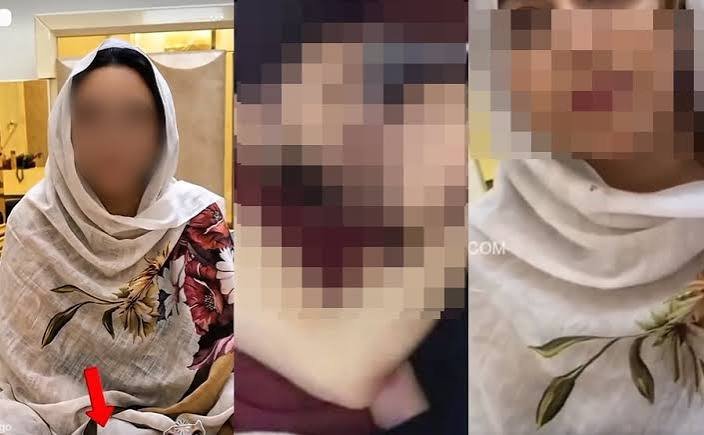
The viral “Pakistani teacher and student video” trending across Instagram, Telegram and WhatsApp is largely a clickbait scam built on staged footage, AI-generated clips and phishing links, cybersecurity experts warn.
A surge in searches for the “Pakistani teacher and student viral video” has flooded social media across South Asia, with thousands of users looking for alleged leaked classroom footage. However, fact-checkers and cybersecurity researchers say the trend is not linked to any verified classroom incident. Instead, it is being fueled by misleading posts that combine scripted adult videos, manipulated AI content and malicious links designed to steal personal information.
Why Is the ‘Pakistani Teacher’ Video Trending?
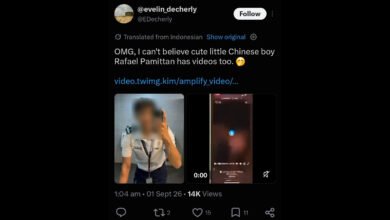
The phrase has become one of the latest viral search bait terms on Instagram Reels, Telegram channels and WhatsApp groups. Posts typically feature sensational thumbnails and captions claiming to reveal a “full 19-minute” or “original teacher-student video.”
In reality, these posts rarely contain authentic footage. Instead, users are redirected to external websites that generate advertising revenue or attempt to harvest login credentials and financial information.
Cybersecurity analysts say this follows a familiar pattern previously seen with other viral “leaked video” trends, where curiosity is exploited to drive traffic toward fraudulent websites.
Staged Footage and AI-Manipulated Clips
According to fact-checking investigations, much of the circulating content consists of scripted adult scenes taken out of context and falsely labelled as a teacher-student incident. In several cases, AI tools have been used to create convincing thumbnails, alter facial features and generate fake voiceovers that make fabricated videos appear authentic.
These manipulated previews are specifically designed to increase engagement by mimicking breaking news or controversial incidents, encouraging users to click before verifying the source.
Experts warn that generative AI has made it significantly easier for scammers to produce realistic-looking videos that can spread rapidly across multiple platforms.
The Bigger Threat: Phishing and Malware
The real danger is often not the video itself, but the links attached to it.
Users searching for the alleged clip frequently encounter websites promising instant access after completing surveys, downloading apps or logging into social media accounts. These pages may:
- Steal Instagram, Facebook or Gmail passwords
- Install malware on Android devices
- Collect banking and personal information
- Generate fake ad impressions through endless redirects
Cybersecurity professionals advise users never to enter passwords or download unknown APK files from links shared in Telegram groups or viral social media comments.
No Verified Evidence of a Real Classroom Leak
Despite the enormous online interest, there is no credible evidence confirming that the viral clip depicts an actual Pakistani teacher and student. The identities attached to the alleged video remain unverified, and many posts recycle entirely unrelated footage under new titles.
This highlights a growing problem in the AI era, where fabricated media can quickly damage reputations and spread misinformation before fact-checkers are able to intervene.
How to Protect Yourself
If you come across posts claiming to offer the “original Pakistani teacher and student viral video,” follow these precautions:
- Avoid clicking suspicious “Watch Full Video” links.
- Never download APK or ZIP files from unknown websites.
- Do not enter your Instagram, Gmail or banking credentials.
- Report misleading or non-consensual content to the platform.
- Verify viral claims through trusted news and fact-checking sources.