War-Zone Waters: How the Tanker Shenlong Safely Carried Hormuz Crude Oil to Mumbai

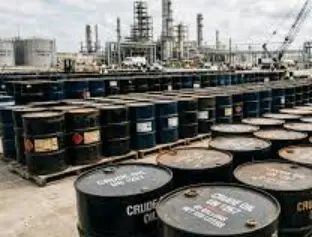
A crude oil carrier, Liberia’s Shenlong Suezmax docked successfully at Mumbai Jawahar Dweep Terminal on March 11. It was the first crude oil vessel to reach India via the Strait of Hormuz after the US/Israeli attack against Iran on February 28 sparked an active conflict. This tanker, which carried 135 335 tonnes of crude from Saudi Arabia completed one of the riskiest maritime voyages of recent times.
Shenlong left Saudi Arabia’s Ras Tanura Terminal on March 3, sailing into hostile waters at a time when regional tensions were reaching a boiling point. The crew was faced with a total shutdown of all electronic navigational systems as the ship approached the Strait of Hormuz, a 33 km-wide channel through which one-fifth of the world’s crude oil passes. This tactic is commonly used in hostile waters to hide the ship’s Automatic Identification System and transponders.
It was more than a simple precaution. The Ministry of Ports, Shipping and Waterways in India confirmed the Shenlong was subjected to sustained GPS jamming and spoofing, a type of electronic warfare that renders satellite navigation useless or dangerously inaccurate. The vessel’s location was confirmed by tracking data. It had been in the Strait of Hormuz since March 8, before it temporarily disappeared from the tracking system. The vessel reappeared in the Strait of Hormuz on March 9, after briefly disappearing from tracking systems.
Also Read: Mahakumbh Monalisa Marries Farman Khan After Dramatic Day in ‘Real Kerala Story’ Twist
The crew, which included nationals from India, Pakistan and the Philippines, was forced to rely on maritime traditions because modern navigation had become unreliable. Mohali-based Captain Sukshant Sandhu described the trip as filled with many uncertainties. He said that the ship had lost its GPS signal many times on its Journey.
Abhijit Alok, the second officer on board, explained to us that they had reverted to secondary options. Alok explained that Captain Sandhu was a veteran officer who knew how to navigate without GPS signals.
Osman Arshad is a third officer from Karachi, Pakistan. He praised Captain Arshad’s calmness throughout the entire ordeal. He said, “The captain assured that we will be alerted in an emergency.” Arshad’s contract will expire next month. He plans to go on a 4-month holiday to recuperate from his experience. He added, “We watched fighter jets fly overhead in Saudi Arabia, but there was no direct military conflict with us.”
Crude oil must be delivered successfully at this time. As the conflict intensifies, energy supplies across the entire region are under severe strain. India is particularly affected by the pressures on LPG. The arrival of Shenlong brings some relief, but serious concerns remain.
After crude oil is delivered to Mahul in eastern Mumbai, the tanker is scheduled to depart for Fujairah, UAE. Fujairah was not spared the war. On March 9, debris from a drone interception caused a fire at the port. Shortly after, an oil storage facility was hit by debris.
Also Read: ‘Jeeja Saali’ 12 Minute Viral Video Explained: Angel Nuzhat Trend Takes Over Social Media
It is a grave concern that the situation, in general, for Indian maritime interests remains so. Rajesh Kumar Sinha confirmed at a Thursday press conference that 3 Indians have been killed and 1 is still missing after attacks against foreign-flagged vessels in the area. At the moment, there are 28 Indian flagged vessels in the Persian Gulf with 778 Indian sailors on board. The government has designated 22 priority ships, including 13 Indian-flagged vessels, for possible naval escort if the situation continues to worsen.
Indian diplomacy has also been in action. S. Jaishankar, the Indian Foreign Minister, has been in contact with Abbas Araghchi, his Iranian counterpart, to discuss securing safe passage for Indian vessels. On March 12, Randhir Jaiswal, the Ministry’s spokesperson, characterized these reports as premature.
Deendayal Port Authority in Kandla, Gujarat, announced that it was prepared to receive 22 ships over the next 72 hours. This shows India’s resolve to continue crude oil supplies despite ongoing conflicts.
Mumbai is expecting the arrival of a second vessel, Smyrni, on March 14. A carrier flying the Indian flag, transporting Iraqi oil, is currently en route to Paradip in Odisha. The government will continue to monitor events through a 24-hour monitoring room.
Shenlong’s Journey is a testimony to the skill and courage of its crew. It serves as a reminder in this age of digital warfare that human seamanship can carry a vessel safely home.
About the Ministry of Ports, Shipping and Waterways: India’s Ministry of Ports, Shipping and Waterways is responsible for the nation’s maritime infrastructure, including major and small ports, inland waterways, and shipping policies. It is the Ministry’s responsibility to ensure that India’s trade routes are safe and efficient. The Ministry also plays an important coordinating role during disruptions in international waters.