Who Is Fatima Jatoi? Pakistani 6 Minutes 39 Seconds MMS Girl Trapped Under Viral MMS Scandal

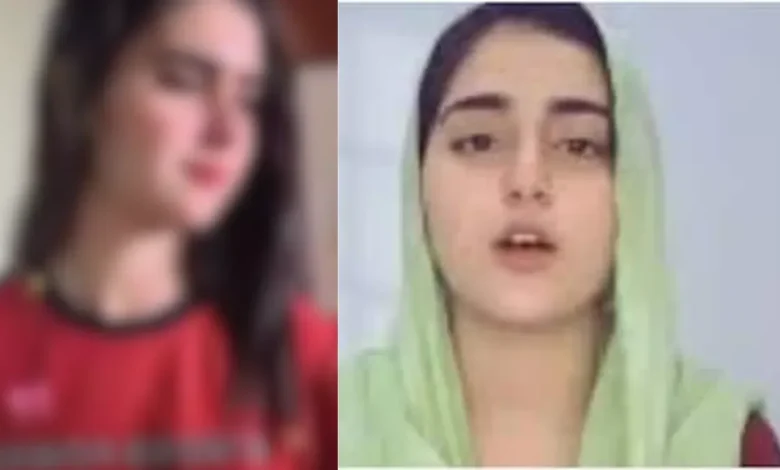
Cybersecurity experts have been prompted to issue urgent warnings about the spreading of malicious links by a recent viral scandal that involved popular Pakistani TikTok influencer Fatima Jatoi. Investigations suggest that a video circulated on social media sites, including X, Telegram, and WhatsApp, is a fake created by artificial intelligence. Security analysts advise the public to be extremely cautious, since links that promise access to an alleged “6 minute 39 second” video clip have been reported to spread malware and facilitate attacks.
It was earlier in the month that rumors of a private video being leaked began to trend under specific timestamps. Jatoi addressed her supporters in a public address to deny the authenticity. The influencer released a video to her social media accounts in which she held the Quran and asserted her innocence. She claimed that the video had been created by advanced AI software to harm her reputation.
Fatima Jatoi is a Sindh-based digital content creator who rose to fame through entertaining lip-sync videos and lifestyle vlogs. Her online presence, which has a large following in Pakistan among Gen Z audiences, documents her journey from life in a small city to living in places like Dubai. Her reputation was recently tarnished by this privacy violation, sparking a national conversation about the ethics and safety of social media.
The incident revealed that cybercriminals are targeting more than just the public. Cybercriminals are targeting curious users of the internet by exploiting this viral trend, according to security specialists. Links that circulate on messaging apps and claim to take users to original leaks are often deceptive traps to trick victims into visiting phishing websites.
Also See: ‘5 Minutes Viral Video’ Truth Behind Pakistani Girl Alina Amir Viral MMS?
Experts warn users that by clicking on these links, they may be exposed to malware, which can compromise private data and information. The incident shows the dangers of “deepfake technology,” not just for those who are the subject of these videos, but also for digital safety in general. The users are advised not to share unverified material and to avoid clicking suspicious links related to the scandal.